
Miyagi Prefecture [宮城]
Outline of Miyagi Prefecture
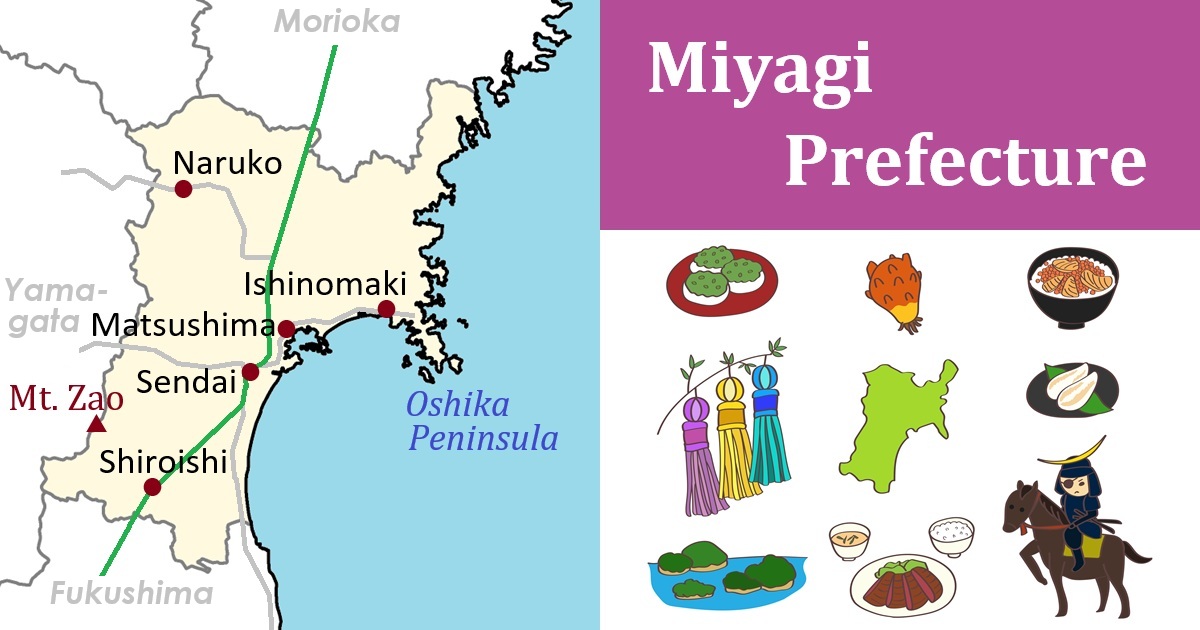
Miyagi Prefecture is located on the Pacific side of central Tohoku Region.
There is Sendai city, which is the prefectual capital and a million city, in roughly center of this prefecture.
On the western side of the prefecture, a mountain range runs.
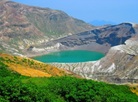
In the southwest part of the mountain range, there is Mount Zao on the border with Yamagata Prefecture.
The northeast part of the prefecture has a sawtooth coastline, which is the southernmost part of Sanriku Coast.
This area originally was not a central area in Tohoku District.
Hiraizumi, the southern part of current Iwate prefecture, was it in the 11th and 12th centuries.
But, in the early 17th century, Date Masamune, a leading warlord in this region, built a castle town at Sendai, then it has developed as the central city of this area.
Many tourist spots in Miyagi Prefecture are associated with him.
It snows in winter.
There is little accumulation in the plains, but it is heavy in the mountainous areas.
On March 11, 2011, the Great East Japan Earthquake occurred and large tsunami attacked all coastline in Miyagi Prefecture.
Because the northern coast of the prefecture has a sawtooth coastline, powerful tsunami attacked directly the towns by the sea.
On the other hand, the southern coast is flat, so the tsunami swept the towns until 5 to 10 km from the coast.
Therefore, more than 10,000 people were left dead or missing by the earthquake and tsunami in Miyagi Prefecture.
Those accounted for more than 60% of the total.
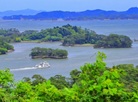
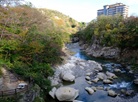
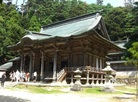
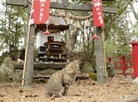
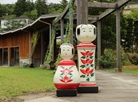
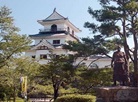
Tourist spots in Miyagi Prefecture

Local foods in Miyagi Prefecture
Beef tongue
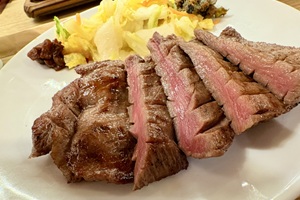
Sliced beef tongue with salt or shoyu are grilled over a direct fire.
In Japanese, it is called "gyūtan".
After World War II, Allied Occupation forces ate a lot of beef but the beef tongue remained.
A yakitori restaurant in Sendai used the beef tongue and served this menu.
At first, it was only a unique menu.
But, in the era of high economic growth (the 1970s), many businessmen from Tokyo knew the taste and the reputation spread, then gyūtan in Sendai became a speciality.
Now there are about 60 restaurants for gyūtan cooking in Sendai city.
Oysters
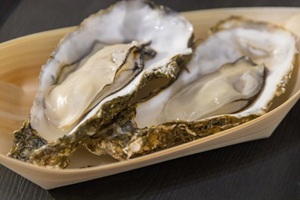
Matsushima bay is one of the Japanese largest production centers of oyster.
The oysters are somewhat small but firm.
The oyster season here is from October to March.
Along Matsushuma coast, there are some shop selling oysters.
And a few restaurants that we can eat oysters with baking for ourselves are opened during the season.
Sasa-kamaboko
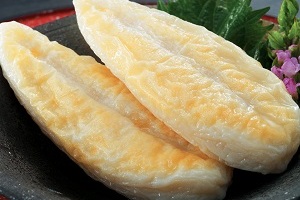
Photo by Sendai City, Tourism Division
Kamaboko is a variety of Japanese processed seafood products.
It is made by steaming pureed white fish.
Especially in Sendai, the product is called "Sasa-kamaboko".
Of course, the form is different from general kamaboko.
General kamaboko is made by placing on a wooden board, but sasa-kamaboko is made in a leaf-shaping mold.
There are several specialized manufacturers in the Sendai area.
You can purchase them as souvenirs at specialty shops or at souvenir stores in major train stations.
Zunda-mochi
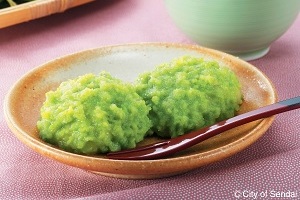
Photo by Sendai City, Tourism Division
Mochi is made by pounding steamed glutinous rice into sticky paste like bread dough.
Boiled green soybeans are ground.
Then, sugar and salt are added to it and the mochi is wrapped with the green paste.
This is Zunda-mochi.
It is mainly sold in Miyagi Prefecture.
Originally, the sweets have been made in the farmhouses in the area.
Local specialties in Miyagi Prefecture
Kokeshi
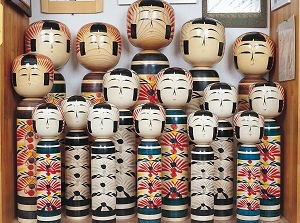
Photo by Miyagi Prefecture
Kokeshi is a simple wooden doll.
Many of Kokushi are made in Tohoku Region, and particularly Miyagi Prefecture is one of the main places of production.
Naruko and Zao areas are major production areas in Miyagi Prefecture.
Kokeshi consists of a round head and a cylindrical torso.
The head is fitted on the torso and a girl's face drawn in.
Two or three colors, such as red, blue or yellow, are used to paint lines or a chrysanthemum design on the body.